Pressure washers are powerful tools that can transform your home’s exterior, but they carry serious risks. Your residential pressure washer can penetrate skin starting at 1,160 PSI, a threshold easily reached by standard equipment. Homeowners frequently underestimate the injury potential and property damage these machines can cause. This guide delivers essential safety protocols to help you operate pressure washers confidently while protecting yourself, your family, and your Southeast Pennsylvania home.
Table of Contents
- Selection Criteria for Safe Pressure Washing
- Understanding Pressure Washer Power and Risks
- Essential Protective Equipment for Pressure Washing
- Surface-Specific Pressure Settings and Nozzle Use
- Electrical and Gas Pressure Washer Safety Precautions
- Safe Operating Practices and Bystander Protection
- Equipment Inspection, Maintenance, and Storage
- Summary Comparison of Key Safety Tips
- Situational Recommendations for Southeast Pennsylvania Homeowners
- Safety Meets Professional Pressure Washing in Southeast Pennsylvania
- Frequently Asked Questions
Key Takeaways
| Point | Details |
|---|---|
| Critical PSI Threshold | Pressure washers can cut skin at 1,160 PSI, well within residential equipment ranges. |
| Essential Protective Gear | Safety goggles, gloves, long pants, and non-slip closed-toe shoes prevent most injuries. |
| Surface-Specific Settings | Different materials require different PSI levels and nozzle angles to avoid damage. |
| Gas Model Hazards | Gas-powered washers produce deadly carbon monoxide and must only be used outdoors. |
| Pre-Use Inspections | Checking hoses, connections, and trigger locks before every use prevents equipment failures. |
Selection Criteria for Safe Pressure Washing
Choosing the right pressure washing equipment and approach protects both you and your property. The most critical factor is selecting pressure levels appropriate for your surface type, which determines both cleaning effectiveness and safety margins. Electric models typically deliver 1,400 to 2,000 PSI, suitable for most residential tasks like vinyl siding and decks. Gas-powered units generate 2,000 to 3,500 PSI, offering more power but requiring stricter safety protocols.
Electric washers produce zero emissions and operate more quietly, making them ideal for suburban neighborhoods. They require access to electrical outlets and GFCI protection to prevent shock hazards. Gas models offer greater mobility and higher pressure but emit carbon monoxide fumes that pose serious health risks in enclosed or poorly ventilated spaces.
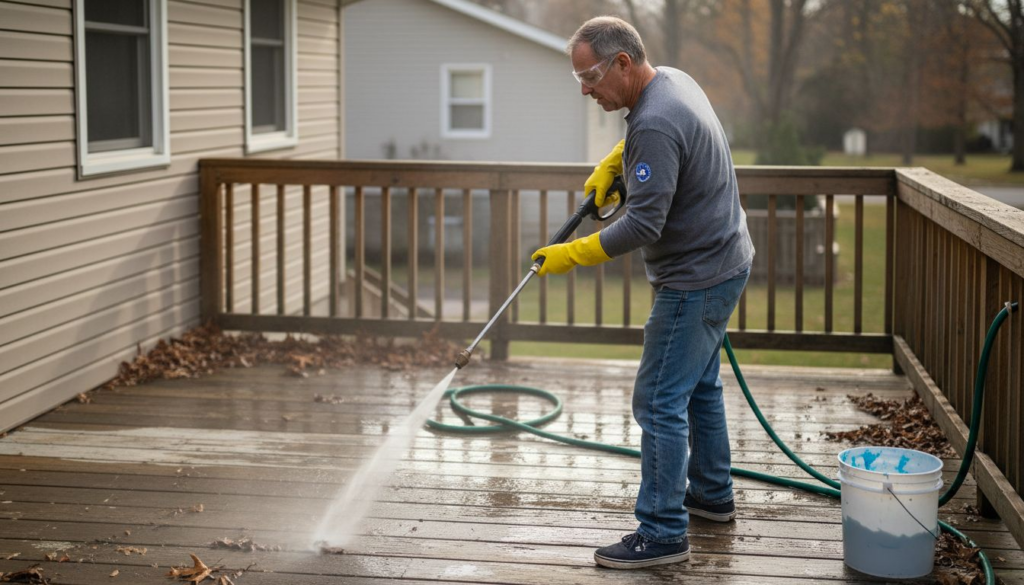
Personal protective equipment forms your first defense against injury. Safety goggles shield your eyes from debris propelled at high velocity, while chemical-resistant gloves protect hands from cleaning solutions and spray kickback. Moisture-wicking long pants and non-slip closed-toe shoes complete your protective ensemble.
When evaluating pressure washing equipment selection, consider these safety factors:
- PSI rating matched to your most delicate surfaces
- Electric versus gas power source based on ventilation and mobility needs
- Availability of adjustable pressure controls and multiple nozzle options
- Built-in safety features like trigger locks and thermal relief valves
- Hose length adequate to minimize extension cord use
- Warranty coverage and local service availability
Environmental conditions also influence equipment choice. Wind can redirect spray unexpectedly, while wet surfaces increase slip hazards. Cold weather affects water flow and cleaning solution effectiveness.
Understanding Pressure Washer Power and Risks
Residential pressure washers pack surprising force into compact packages. Electric models commonly deliver 1,600 to 2,000 PSI, while gas units reach 2,500 to 3,000 PSI or higher. These pressure levels exceed the human skin’s resistance threshold significantly.
Pressure washers can penetrate skin at 1,160 PSI, cause deep lacerations requiring surgery at 2,000 PSI, damage wood and vinyl siding above 1,500 PSI, and crack concrete or shatter glass above 3,000 PSI.
Injury severity depends on pressure level, spray distance, and exposure duration. Common injuries include deep puncture wounds that introduce bacteria under the skin, eye trauma from deflected spray or debris, hearing damage from prolonged gas engine exposure, and chemical burns from cleaning solutions. The high-pressure stream can inject water and contaminants deep into tissue, creating infection risks that require immediate medical attention.
Property damage occurs just as quickly. Excessive pressure strips paint, splinters wood, cracks vinyl siding, erodes mortar between bricks, and etches concrete surfaces. Older materials with existing deterioration prove especially vulnerable. Windows can shatter if sprayed directly, and water forced under siding creates moisture problems leading to mold growth.
Understanding these pressure washer safety risks changes how you approach every cleaning task. Respect for the equipment’s power drives careful preparation and cautious operation. Never point the spray wand at yourself, another person, or pets, even momentarily. The instantaneous nature of pressure washer injuries leaves no room for careless mistakes.
Many homeowners treat pressure washers like garden hoses, failing to recognize the fundamental difference in force delivery. This mindset leads to preventable accidents. Your pressure washer deserves the same respect as power tools like circular saws or angle grinders.
Essential Protective Equipment for Pressure Washing
Personal protective equipment creates multiple barriers between you and injury. Each piece serves a specific protective function that operational caution alone cannot replace. Safety goggles, gloves, long pants, and closed-toe shoes prevent eye injuries and skin lacerations that account for most pressure washing accidents.
Safety goggles with side shields block high-velocity debris and chemical splashes. Standard glasses provide insufficient protection because spray can reach your eyes from multiple angles. Choose goggles rated for impact resistance that seal comfortably around your eye sockets.

Chemical-resistant gloves protect your hands from cleaning solutions while improving grip on wet equipment. Latex or nitrile gloves offer flexibility and resistance to common detergents. Heavy-duty rubber gloves provide additional protection when using stronger chemicals or working with rough surfaces.
Long pants in durable fabric shield your legs from spray kickback and flying debris. Moisture-wicking materials keep you comfortable during extended work sessions. Avoid loose-fitting pants that can catch on equipment or create tripping hazards.
Non-slip closed-toe shoes with good ankle support prevent slips on wet surfaces and protect feet from dropped equipment. Steel-toed boots add extra protection but prioritize slip resistance over toe protection. Wet concrete, wood, and pavement become treacherously slippery during pressure washing.
Pro Tip: Wearing moisture-wicking long pants and non-slip shoes improves comfort and stability during operation, letting you maintain better control throughout your cleaning session.
Consider these additional protective items:
- Hearing protection when operating gas-powered models for extended periods
- Waterproof jacket during cold or windy conditions
- Knee pads for low surface cleaning tasks
- Face shield when cleaning overhead areas
Remember that protective equipment complements safe operating techniques rather than replacing them. Proper gear reduces injury severity when accidents occur but cannot prevent all incidents. Combine comprehensive PPE with careful operational practices.
Surface-Specific Pressure Settings and Nozzle Use
Different surfaces demand different pressure levels and spray patterns to clean effectively without damage. Starting with the lowest pressure setting and increasing gradually prevents irreversible surface damage while you assess cleaning effectiveness.
Follow these steps for safe surface-specific cleaning:
- Identify your surface material and check manufacturer recommendations for maximum safe pressure
- Select the widest angle nozzle (white 40-degree or black soap nozzle) for initial testing
- Start at low pressure and spray a small inconspicuous area from 3 feet away
- Gradually increase pressure or move closer only if cleaning proves insufficient
- Switch to narrower angle nozzles only after confirming surface tolerance
- Maintain consistent distance and avoid lingering in one spot
Nozzle color coding indicates spray angle and intensity. Red (0-degree) nozzles concentrate maximum force into a pinpoint stream capable of cutting wood and concrete. Yellow (15-degree) nozzles deliver intense cleaning for stubborn stains on durable surfaces. Green (25-degree) nozzles balance cleaning power with surface safety. White (40-degree) nozzles provide gentler cleaning for delicate surfaces.
| Surface Type | Recommended PSI Range | Best Nozzle Type | Key Precautions |
|---|---|---|---|
| Wood Decks | 500-1,200 PSI | 40-degree white | Test in hidden area; avoid splintering |
| Vinyl Siding | 1,200-1,500 PSI | 25-degree green | Never spray upward under panels |
| Brick/Concrete | 2,500-3,000 PSI | 15-degree yellow | Avoid mortar joints; watch for etching |
| Windows/Glass | 1,000-1,500 PSI | 40-degree white | Spray at angle; keep 2+ feet away |
| Painted Surfaces | 1,200-1,500 PSI | 40-degree white | Test paint adhesion first |
Delicate surfaces like older wood siding require extra caution. Weathered wood fibers lift easily under pressure, creating a fuzzy appearance that attracts dirt. Painted surfaces may have compromised adhesion invisible to the eye. Always test in an inconspicuous area before proceeding with full cleaning.
Distance from the surface dramatically affects cleaning intensity. Moving from 3 feet to 1 foot away can double the effective pressure. Maintain consistent distance as you work to ensure uniform cleaning without damage.
Electrical and Gas Pressure Washer Safety Precautions
Electric and gas pressure washers present distinct safety challenges requiring specific protocols. Electric models create electrocution risks, while gas units produce deadly carbon monoxide. Understanding these hazards prevents the most serious pressure washing accidents.
Electric pressure washer safety centers on preventing electrical shock:
- Always plug into GFCI-protected outlets that trip instantly if current leaks
- Keep extension cords elevated and away from standing water
- Inspect cords for cuts, fraying, or exposed wires before each use
- Use only outdoor-rated extension cords with adequate amperage capacity
- Never operate electric washers in rain or on wet surfaces near the outlet
- Unplug equipment completely before performing any maintenance
GFCI outlets detect current imbalances and shut off power in milliseconds, preventing potentially fatal shocks. Standard outlets lack this protection and should never be used for pressure washing equipment.
Gas-powered washers must only be used outdoors to prevent carbon monoxide poisoning, a colorless, odorless gas that causes death without warning. Carbon monoxide binds to hemoglobin in your blood, preventing oxygen transport to vital organs. Early symptoms include headache, dizziness, and nausea, but unconsciousness can occur before you recognize the danger.
Never operate gas pressure washers in garages, covered patios, or any partially enclosed spaces, even with doors or windows open. Carbon monoxide accumulates quickly in confined areas, reaching lethal concentrations within minutes. Adequate ventilation means completely open outdoor spaces with unrestricted airflow.
Gas model safety extends to fuel handling:
- Store gasoline in approved containers away from living spaces
- Refuel only when the engine is completely cool
- Wipe up fuel spills immediately and allow vapors to dissipate
- Never smoke or use open flames near fuel or running engines
- Check for fuel leaks before starting the engine
Follow safe startup procedures for pressure washer operational safety. Ensure adequate fuel levels, check oil, confirm water supply connection, and verify exhaust ventilation before pulling the starter cord.
Safe Operating Practices and Bystander Protection
Safe operation extends beyond equipment preparation to encompass your actions during cleaning and protecting those around you. Maintaining stable footing and avoiding ladders reduces fall risk, which combines with high-pressure spray to create especially dangerous accidents.
Never spray pressure washers at people, pets, or yourself, even briefly. The impulse to blow debris off clothing or rinse muddy shoes leads to serious injuries. High-pressure water can penetrate skin instantly, injecting bacteria deep into tissue. The spray’s force can also propel sharp debris at dangerous velocities.
Establish a clear exclusion zone around your work area before starting. Children and pets should remain indoors or in a separate yard section during operation. The combination of noise, water spray, and long hoses creates multiple distraction and hazard sources.
Pro Tip: Establish physical markers or cones to keep children and pets out of the cleaning area, creating a visible boundary that prevents accidental entry into the spray zone.
Key safe operating practices include:
- Start at low pressure and gradually increase only as needed
- Maintain firm two-handed grip on the spray wand at all times
- Plant feet securely before squeezing the trigger to handle kickback
- Keep the spray wand pointed at the cleaning surface, never toward your body
- Work from a stable ground position rather than ladders when possible
- Take frequent breaks to maintain focus and physical control
- Stay aware of your surroundings and hose position to prevent tripping
Equipment kickback occurs when you first squeeze the trigger or when nozzles become partially blocked. The sudden force can wrench the wand from your grip or throw you off balance. Anticipate this reaction by bracing yourself before triggering the spray.
Avoid cleaning from ladders whenever possible. The combination of kickback forces, wet rungs, and divided attention creates high fall risk. Use extension wands to reach elevated surfaces from ground level. If ladder use becomes unavoidable, have a helper stabilize the ladder and maintain three points of contact.
Maintain constant attention throughout your work session. Fatigue reduces reaction time and physical control. Stop when you notice declining focus or physical strain.
Equipment Inspection, Maintenance, and Storage
Regular inspection and maintenance keep your pressure washer operating safely while extending its service life. Inspecting hoses, connections, and trigger locks before use and replacing damaged parts promptly prevents equipment failures that cause injuries or property damage.
Perform these pre-use inspections every time:
- Check high-pressure hose for cracks, bulges, or abrasion damage
- Verify all connections are tight and washers are in place
- Test trigger lock functionality and spray gun grip security
- Inspect nozzles for wear or blockage
- Confirm water supply hose has no kinks or leaks
- Verify fuel level and check for fuel system leaks on gas models
- Test safety features like thermal relief valves
Post-use maintenance preserves equipment integrity:
- Disconnect water supply and run pump briefly to purge remaining water
- Clean nozzle tips and check spray patterns
- Wipe down exterior surfaces and remove debris
- Drain fuel from gas models for long-term storage
- Coil hoses loosely without sharp bends
- Store spray gun with trigger lock engaged
| Maintenance Aspect | Electric Models | Gas Models |
|---|---|---|
| Engine Oil | Not applicable | Check before each use; change per manual |
| Fuel System | Not applicable | Use fresh fuel; add stabilizer for storage |
| Spark Plug | Not applicable | Inspect annually; replace per manual |
| Pump Protection | Use pump saver in freezing temps | Use pump saver in freezing temps |
| Cord/Hose Storage | Coil loosely; avoid kinking | Coil loosely; avoid kinking |
| Storage Location | Dry, protected area | Dry, ventilated area away from living spaces |
Store pressure washers in secure locations away from children and pets. Engaged trigger locks prevent accidental discharge, but locked storage provides the most reliable protection. Never leave equipment unattended during breaks with the water supply connected and pressure in the system.
Replace damaged components immediately rather than attempting temporary repairs. High-pressure systems fail catastrophically, not gradually. A frayed hose or loose connection can separate under pressure, causing injury from the whipping hose or high-pressure stream. Using manufacturer-specified replacement parts ensures continued safe operation.
Winterizing protects equipment in freezing temperatures. Water remaining in pumps and hoses expands when frozen, cracking internal components. Run antifreeze pump saver through the system or store equipment in heated spaces. For detailed guidance on pressure washer maintenance and storage, consult your owner’s manual.
Summary Comparison of Key Safety Tips
This summary table consolidates critical safety information for quick reference before each pressure washing session.
| Safety Category | Essential Actions | Avoid These Mistakes |
|---|---|---|
| Protective Gear | Wear goggles, gloves, long pants, closed-toe shoes | Using standard glasses; operating in shorts/sandals |
| Pressure Settings | Start low; test on hidden area first | Beginning at maximum pressure; skipping test areas |
| Nozzle Selection | Use widest angle for delicate surfaces | Starting with red zero-degree nozzle |
| Operating Distance | Maintain 12+ inches from surface | Holding wand too close; inconsistent distance |
| Electrical Safety | GFCI outlets only; keep cords dry and elevated | Using standard outlets; cords in standing water |
| Gas Model Use | Outdoor operation only in open areas | Running in garage or enclosed patio |
| Bystander Protection | Clear exclusion zone; never spray people/pets | Allowing children nearby; spraying toward others |
| Equipment Inspection | Check hoses, connections, trigger lock before use | Skipping pre-use checks; using damaged equipment |
| Emergency Response | Know shutoff procedures; have first aid kit ready | Operating without emergency plan |
Keep this reference accessible during your pressure washing projects. Review it before starting work and whenever switching between different surfaces or cleaning tasks. Safety protocols prevent the vast majority of pressure washing injuries and property damage when followed consistently.
Pressure washing combines powerful benefits with serious risks. The difference between successful cleaning and costly accidents lies in consistent application of safety protocols. Never rush through preparation steps or skip protective measures to save time.
Situational Recommendations for Southeast Pennsylvania Homeowners
Southeast Pennsylvania homes present specific pressure washing challenges that influence equipment selection and operational approach. Many homes feature older wood siding, painted surfaces, and mixed materials requiring careful pressure management. The region’s climate produces seasonal dirt, pollen, and mildew buildup that tempts aggressive cleaning.
Electric pressure washers in the 1,400 to 1,800 PSI range handle most residential cleaning needs safely. These models provide adequate power for vinyl siding, concrete walkways, and deck maintenance without risking damage to delicate surfaces common in older homes. The lower noise levels suit suburban neighborhoods where gas engine operation might disturb neighbors.
Consider professional services for complicated projects:
- Multi-story homes requiring extensive ladder work or elevated access
- Historic properties with aging materials and uncertain structural integrity
- Large-scale projects like entire home exteriors or long driveways
- Properties with known lead paint or asbestos-containing materials
- Situations where you lack confidence in your ability to work safely
Choose electric models when working near outdoor outlets with adequate cord reach. Select gas models only when mobility requirements or power demands exceed electric capabilities. Remember that gas models require outdoor operation with unrestricted airflow.
Seasonal timing affects cleaning effectiveness and safety. Spring cleaning removes winter grime and prepares surfaces for warm weather. Fall cleaning prevents organic material from degrading surfaces over winter. Avoid pressure washing during temperature extremes. Freezing conditions create slip hazards and equipment damage risks, while extreme heat increases fatigue and chemical evaporation rates.
Local considerations for Southeast Pennsylvania homeowners:
- Historic district homes may require gentler cleaning to preserve original materials
- Well water systems need sediment filters to protect pressure washer pumps
- Tree coverage creates additional organic debris and mildew requiring regular attention
- Township regulations may restrict water use during drought conditions
- Proximity to neighbors requires consideration of noise and spray drift
Start with less aggressive approaches and increase intensity only when necessary. Most surfaces clean effectively at moderate pressure levels with appropriate dwell time for cleaning solutions. Patience and proper technique achieve better results than maximum pressure. For homeowners seeking pressure washing solutions in Southeast Pennsylvania, understanding these local factors ensures successful, safe cleaning projects.
Safety Meets Professional Pressure Washing in Southeast Pennsylvania
While this guide equips you with essential safety knowledge, professional pressure washing eliminates risks entirely while delivering superior results. Our team applies the protocols outlined here along with advanced techniques developed through thousands of successful projects.

We maintain comprehensive insurance, use commercial-grade equipment with enhanced safety features, and customize pressure settings precisely for your home’s specific materials. Our technicians receive ongoing safety training and follow strict operational procedures that protect your property and family. Every project begins with thorough surface assessment and ends with detailed inspection ensuring complete satisfaction.
Explore our safe pressure washing process to see how professional expertise transforms your home’s exterior without the hazards of DIY cleaning. Visit Berks Pressure Washing to schedule your free estimate and experience hassle-free, damage-free cleaning that exceeds your expectations.
Frequently Asked Questions
What safety gear is essential for pressure washing?
Safety goggles with side shields protect your eyes from high-velocity debris and chemical splashes. Chemical-resistant gloves shield hands from cleaning solutions and spray kickback. Moisture-wicking long pants and non-slip closed-toe shoes protect legs and feet from spray and improve stability on wet surfaces.
Can I use a gas pressure washer inside my garage?
Never operate gas pressure washers indoors or in enclosed spaces, even with doors or windows open. These engines produce carbon monoxide, a colorless and odorless gas that causes death without warning. Always use gas models in completely open outdoor areas with unrestricted airflow.
How do I prevent damage to delicate surfaces when pressure washing?
Start with the lowest pressure setting and test on a small, inconspicuous area first. Use the widest angle nozzle available, typically the white 40-degree tip, for delicate surfaces like wood or painted siding. Gradually increase pressure only if cleaning proves insufficient, and maintain consistent distance from the surface.
What regular maintenance should I perform on my pressure washer?
Inspect hoses, connections, and trigger locks before every use, checking for cracks, leaks, or wear. Clean nozzle tips after each session and drain remaining water from the pump. Store equipment in a dry, secure location away from children and pets. For detailed pressure washer maintenance tips, consult your owner’s manual and replace damaged parts immediately.