Many homeowners believe pressure washing and power washing are identical, but 62% of homeowners misidentify these methods, leading to improper use and costly damage. Understanding the technical differences between cold water pressure washing and heated power washing ensures you choose the safe, effective method for your home’s specific surfaces and stains. This guide provides the clarity South East PA homeowners need to make informed cleaning decisions that protect their investment.
Table of Contents
- Introduction to Pressure and Power Washing
- Technical Differences Between Pressure and Power Washing
- Surface Suitability and Cleaning Effectiveness
- Risks and Safety Considerations
- Common Misconceptions About Pressure vs Power Washing
- How to Choose the Right Method for Your Home
- Maintenance Scheduling and Longevity
- Environmental and Cost Considerations
- Real World Applications and Case Studies
- Discover Expert Pressure and Power Washing Services
- Frequently Asked Questions
Key Takeaways
| Point | Details |
|---|---|
| Method Difference | Pressure washing uses cold water while power washing uses heated water for enhanced cleaning |
| Cleaning Efficiency | Heat boosts cleaning power by up to 50% on organic and greasy stains |
| Surface Safety | Wrong method selection damages wood siding, painted surfaces, and delicate materials |
| Maintenance Timing | Cleaning every 12 to 24 months prevents mold buildup and extends surface lifespan |
| Cost Considerations | Power washing costs more to operate due to heating elements and higher energy consumption |
Introduction to Pressure and Power Washing
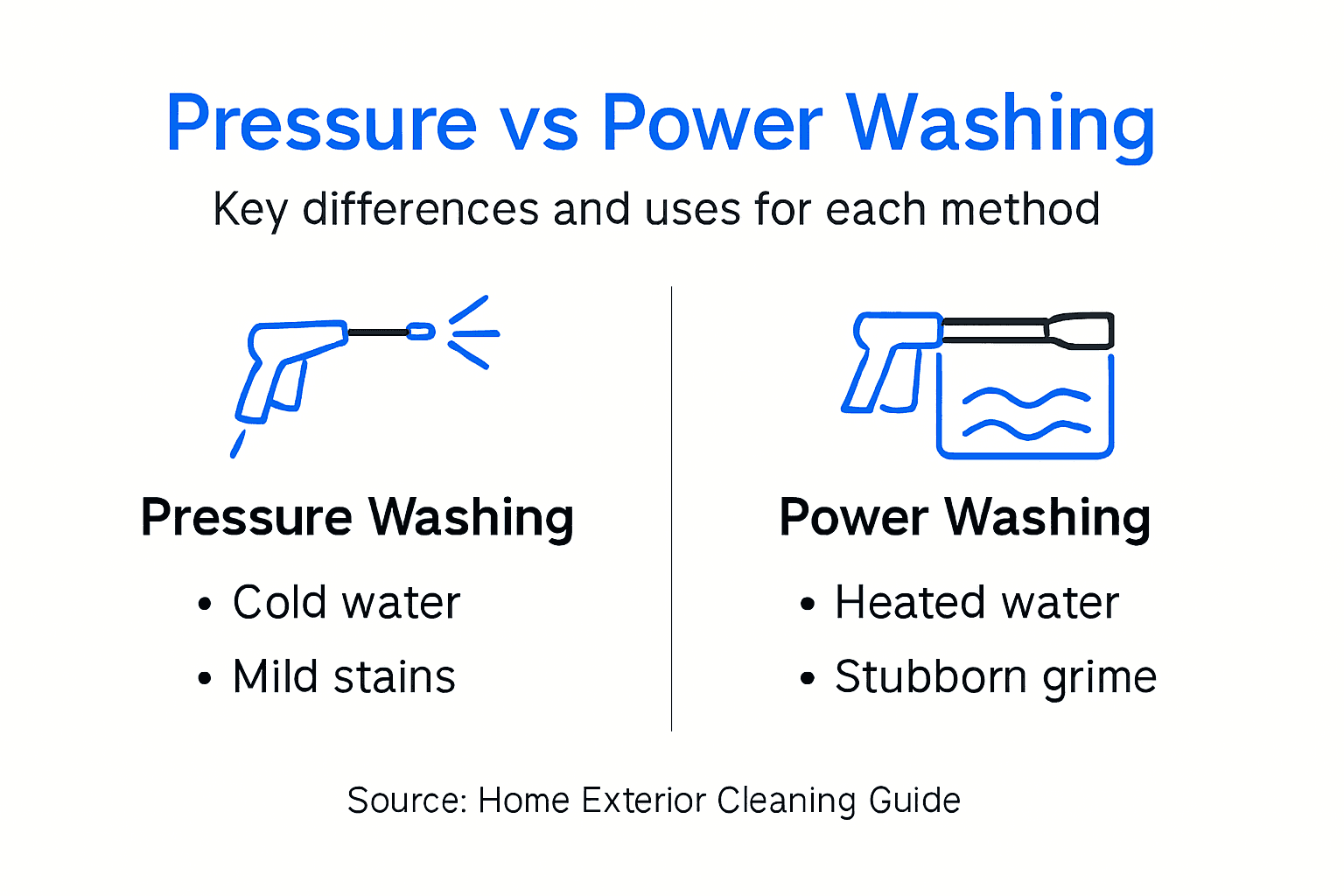
Pressure washing delivers cold water at moderate force, typically between 1,300 and 3,000 PSI (pounds per square inch), to remove dirt, mildew, and surface grime from home exteriors. Power washing elevates this approach by heating the water and often using higher PSI levels up to 4,000, creating a more aggressive cleaning action that tackles stubborn organic materials and grease.
Understanding PSI is essential because it measures the water pressure force hitting your surfaces. Think of PSI like water pressure from a garden hose versus a fire hose. Higher numbers mean more force, which cleans faster but also increases damage risk on softer materials.
The heated water in power washing works like hot water washing dishes. Pressure washing uses cold water at 1,300 to 3,000 PSI while power washing uses heated water up to 4,000 PSI for enhanced cleaning. Heat breaks down organic compounds, oils, and sticky residues that cold water simply pushes around.
Knowing these fundamental differences protects your home’s exterior surfaces from unnecessary damage. Choosing cold water pressure washing for routine maintenance and reserving heated power washing for heavy duty stains ensures you get effective cleaning without compromising surface integrity. Understanding our cleaning process helps you make the right choice for your specific needs.
- Cold water pressure washing removes surface dirt, mildew, and loose debris
- Heated power washing dissolves grease, oil, gum, and deeply embedded organic stains
- PSI determines cleaning force and potential for surface damage
- Water temperature affects chemical breakdown of different stain types
Technical Differences Between Pressure and Power Washing
Pressure washing equipment operates at 1,300 to 3,000 PSI with ambient temperature water, making it suitable for most residential cleaning tasks. Power washing systems push water at higher pressures, often reaching 4,000 PSI, while simultaneously heating water to temperatures between 150°F and 200°F.
The heating element distinguishes power washing equipment from standard pressure washers. This component requires additional energy and specialized components that increase both equipment complexity and operational costs. Heated water in power washing raises cleaning efficiency by up to 50% on organic stains compared to cold water.
Hot water excels at breaking down molecular bonds in grease, oil, tree sap, and chewing gum. Cold water alone lacks the energy to dissolve these substances effectively, instead relying purely on mechanical force. This explains why power washing removes stubborn stains faster and with less repeated effort.
| Feature | Pressure Washing | Power Washing |
|---|---|---|
| Water Temperature | Cold (ambient) | Heated (150°F to 200°F) |
| Typical PSI Range | 1,300 to 3,000 | 2,500 to 4,000 |
| Cleaning Efficiency | Standard for dirt and mildew | 50% better on organic and greasy stains |
| Surface Impact Risk | Moderate with proper technique | Higher due to heat and pressure combination |
| Energy Consumption | Lower | Higher due to heating element |
Matching PSI and temperature to your surface material prevents damage while achieving thorough cleaning. Vinyl siding tolerates moderate cold water pressure but may warp under excessive heat. Concrete handles high heat and pressure well, while wood requires gentler approaches regardless of temperature.
Pro Tip: Always match PSI and temperature to surface tolerance specifications. Testing a small, inconspicuous area first reveals how your specific surface responds before committing to full scale cleaning.
Understanding these technical details of cleaning methods empowers you to select appropriate equipment or communicate effectively with professional cleaners about your home’s specific requirements.
- Higher PSI increases cleaning speed but also damage risk
- Heated water dramatically improves results on oil based stains
- Equipment complexity and cost increase with heating capabilities
- Temperature and pressure must both align with surface tolerance limits
Surface Suitability and Cleaning Effectiveness
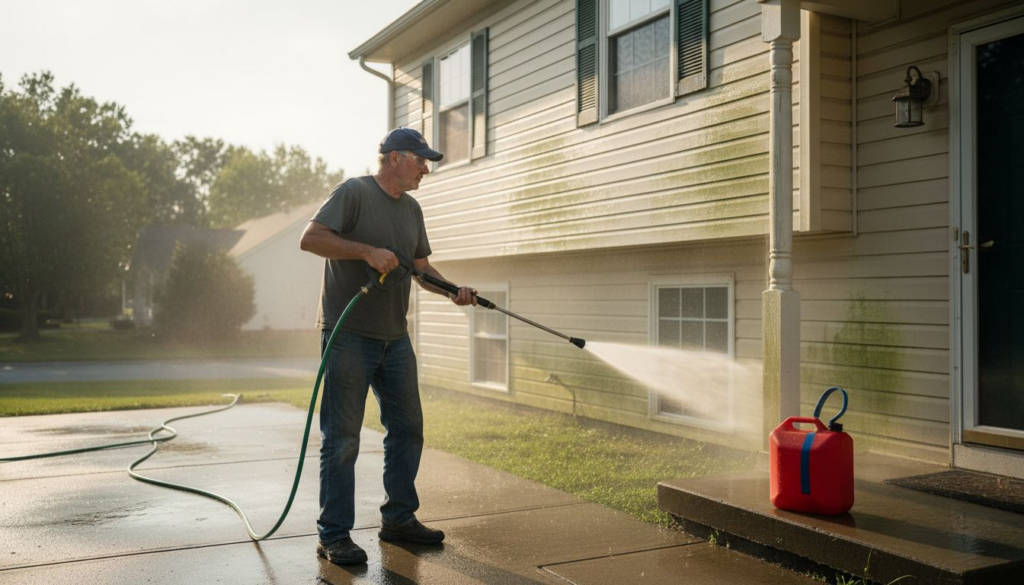
Hard, durable surfaces like concrete driveways, brick walkways, and vinyl siding respond well to cold water pressure washing for routine maintenance. These materials tolerate the mechanical force without surface degradation when proper PSI settings are used. Vinyl siding requires cold water pressure washing to safely remove mold without damage.
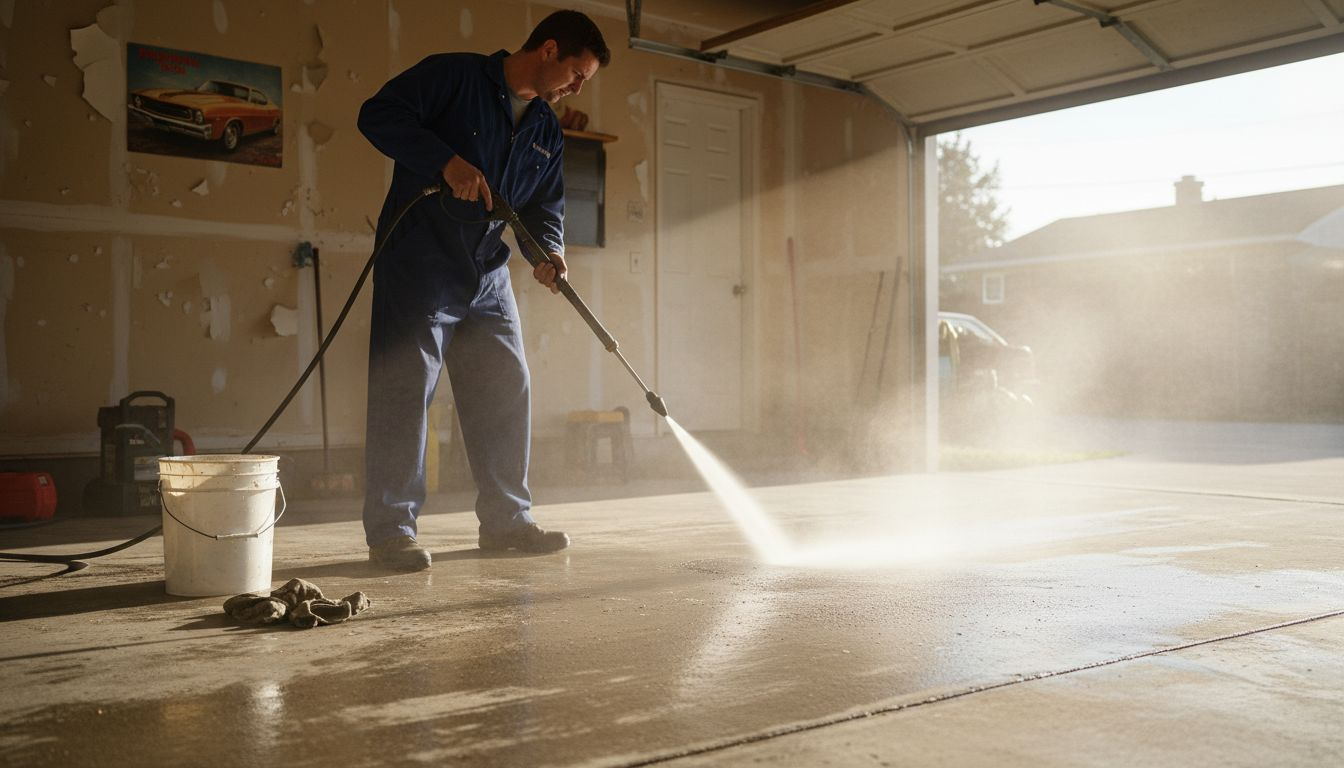
Power washing’s heated water becomes necessary when facing stubborn challenges. Grease stained garage floors, oil spotted driveways, restaurant dumpster pads, and gum covered sidewalks need the molecular breakdown that only hot water provides. The heat liquefies substances that cold water simply spreads around.
South East PA homes frequently accumulate organic growth due to humid summers and moderate rainfall. Pressure washing effectively removes mold, mildew, and algae from siding, decks, and fences without the expense of heating water. For these common maintenance tasks, cold water delivers excellent results at lower cost.
Sensitive surfaces demand careful method selection. Wood siding, painted trim, and older masonry can suffer permanent damage from excessive heat. The thermal expansion caused by hot water may crack paint, splinter weathered wood, or separate mortar joints in aged brick. Delicate surfaces always require cold water at reduced PSI.
Real world application shows the difference clearly. A vinyl sided colonial with green algae streaks needs only 1,500 to 2,000 PSI cold water pressure washing. The same home’s concrete driveway showing years of oil drips from parked cars requires power washing’s heated water to fully dissolve the petroleum based stains.
Pro Tip: Test a small area first, especially on painted or aged surfaces. Start with lowest effective pressure and temperature, then increase gradually only if needed. This approach minimizes damage risk while achieving thorough cleaning.
Following surface cleaning guidelines ensures you select the appropriate method for each area of your home’s exterior, protecting your investment while achieving professional results.
- Concrete, brick, and stone handle both methods with proper PSI adjustment
- Vinyl siding cleans best with cold water pressure washing
- Wood surfaces require reduced PSI and cold water to prevent splintering
- Grease and oil stains demand heated power washing for complete removal
- Organic growth like mold and algae respond well to cold water pressure washing
Risks and Safety Considerations
Using excessive PSI or inappropriate heat levels causes preventable damage to home exteriors. Improper power washing can cause up to 20% damage rates on wood siding through splintering, paint removal, and moisture intrusion behind protective barriers. These mistakes lead to expensive repairs that far exceed the cost of proper cleaning.
Power washing equipment presents additional hazards beyond standard pressure washers. The heating element and its fuel source create burn risks and potential fire hazards if mishandled. Electrical connections on heated units must remain protected from water spray to prevent shock hazards.
Water intrusion represents a subtle but serious risk. High pressure spray can force water behind siding, under shingles, or through window seals. This trapped moisture promotes rot, mold growth, and structural damage that may not become visible for months after cleaning.
Safe operation requires systematic approach:
- Assess surface material and condition before selecting equipment settings
- Adjust PSI and temperature to match surface tolerance specifications
- Maintain proper spray distance and angle throughout the cleaning process
- Monitor surface response continuously and reduce settings if any damage appears
- Ensure electrical connections remain protected from water exposure
Protective measures safeguard both operator and property. Following safe cleaning practices prevents the most common causes of injury and property damage during exterior cleaning projects.
- Wear safety goggles to protect eyes from debris and spray kickback
- Use non slip footwear on wet surfaces to prevent falls
- Keep children and pets away from the work area during operation
- Never point spray nozzle at people, animals, or electrical fixtures
- Hire professional services for multi story applications or unfamiliar surfaces
- Test equipment on inconspicuous areas before tackling visible surfaces
Respecting the power of these tools and understanding their limitations protects your home and family. When uncertainty exists about proper technique or equipment settings, professional services provide expertise that prevents costly mistakes.
Common Misconceptions About Pressure vs Power Washing
Many people use the terms pressure washing and power washing interchangeably, assuming they describe identical processes. This confusion leads homeowners to rent or purchase inappropriate equipment for their specific cleaning needs. The methods share similarities but serve distinctly different purposes based on stain type and surface characteristics.
Another widespread belief suggests that maximum PSI always delivers the best cleaning results. This misconception drives people to use excessive force that strips paint, gouges wood, and damages mortar joints. Effective cleaning comes from matching appropriate pressure levels to surface durability, not from applying maximum available force.
Some homeowners dismiss heated water as an unnecessary luxury that adds cost without meaningful benefit. In reality, temperature dramatically affects cleaning chemistry. Hot water breaks molecular bonds in organic materials and oils that cold water cannot touch, reducing cleaning time and physical effort by up to 50% on appropriate stain types.
The assumption that all exterior surfaces tolerate heated water creates significant damage risk. While concrete and unpainted masonry handle heat well, wood siding, painted surfaces, and composite materials may warp, crack, or delaminate under thermal stress. Surface composition dictates appropriate cleaning methods.
- Misconception: Pressure and power washing are the same thing. Fact: Power washing adds heated water for enhanced cleaning of specific stain types.
- Misconception: Higher PSI always cleans better. Fact: Excessive pressure damages surfaces; optimal PSI varies by material.
- Misconception: Heat provides no real cleaning advantage. Fact: Heated water increases efficiency by 50% on grease and organic stains.
- Misconception: All surfaces handle the same cleaning method. Fact: Surface material determines safe PSI levels and temperature tolerance.
- Misconception: Professional services are unnecessary for simple cleaning. Fact: Expertise prevents damage that costs far more than professional fees.
Clearing these misunderstandings helps you make informed decisions that protect your property investment. The right method depends on your specific combination of surface types and stain characteristics, not on assumptions about which approach sounds more powerful.
How to Choose the Right Method for Your Home
Selecting between pressure and power washing starts with systematic evaluation of your home’s specific conditions. This structured approach ensures you match cleaning methods to actual needs rather than guessing.
- Identify the surface material requiring cleaning (vinyl, wood, concrete, brick, composite)
- Assess the stain type present (organic growth, oil, grease, general dirt, rust)
- Consider environmental conditions (temperature, humidity, surface age, previous damage)
- Determine your maintenance goals (routine cleaning versus stain removal)
- Evaluate budget constraints and frequency needs
Different scenarios call for specific approaches. The comparison below guides decision making for common South East PA home exterior situations:
| Scenario | Recommended Method | Reasoning |
|---|---|---|
| Vinyl siding with mold | Pressure washing (cold water) | Safely removes organic growth without heat damage risk |
| Concrete driveway with oil stains | Power washing (heated water) | Heat dissolves petroleum based stains effectively |
| Wood deck maintenance | Low PSI pressure washing | Protects wood fibers from heat and excessive force damage |
| Brick walkway general cleaning | Pressure washing (cold water) | Sufficient for dirt removal at lower operating cost |
| Commercial kitchen exhaust area | Power washing (heated water) | Required for grease breakdown and sanitation |
Surface tolerance represents the most critical factor in your decision. Painted surfaces, aged wood, and composite materials typically cannot withstand power washing’s heat and pressure combination. When surface condition raises questions about durability, defaulting to gentler cold water pressure washing prevents irreversible damage.
Pro Tip: When uncertainty exists about appropriate methods or equipment settings, consulting a professional prevents costly damage. Spending money on expert assessment costs far less than repairing damaged siding or refinishing stripped paint.
Periodic maintenance scheduling tailored to your home’s exposure and material characteristics prevents heavy buildup that requires aggressive cleaning methods. Regular cold water pressure washing every 12 to 24 months often eliminates the need for heated power washing entirely. Contact professional cleaning services to develop a customized maintenance plan.
Maintenance Scheduling and Longevity
Routine pressure washing every 12 to 24 months prolongs exterior surfaces by preventing mold and degradation. Regular cleaning removes organic growth and pollutants before they penetrate protective coatings or begin breaking down substrate materials. This preventive approach costs less than allowing buildup to reach levels requiring power washing or surface repairs.
Excessively frequent power washing accelerates wear on surfaces not designed for repeated heat exposure. The thermal cycling from hot water followed by cooling can gradually weaken paint adhesion and cause microscopic cracking in sealants. Pressure washing’s gentler approach suits routine maintenance better for most residential applications.
Your home signals when cleaning becomes necessary. Visible indicators help you time maintenance appropriately rather than following arbitrary schedules.
- Dark streaks or green tint on siding indicate mold or algae growth
- Dirt buildup creates obvious color change from clean to soiled areas
- Slippery surfaces on decks or walkways suggest organic growth presence
- Reduced curb appeal from dingy appearance affects property value
- Stains become progressively harder to remove as they age
South East PA’s climate patterns influence optimal scheduling. Spring cleaning after winter salt and grime makes sense, while fall cleaning before winter preparation protects surfaces during harsh weather. Humid summers accelerate organic growth, sometimes warranting mid season touch ups on shaded areas.
Investing in regular maintenance delivers financial returns beyond cleaning costs. Preventing the need for premature repainting, siding replacement, or deck refinishing saves thousands compared to the few hundred dollars annual cleaning costs. Clean surfaces also resist pest infiltration better by eliminating the organic material that attracts insects.
Understanding proper pressure washing frequency helps you budget maintenance as a normal homeownership expense rather than an emergency response to severe buildup. Proactive scheduling keeps your home looking fresh while maximizing the lifespan of exterior materials.
Environmental and Cost Considerations
Power washing consumes significantly more energy than pressure washing due to the fuel or electricity required for heating water. A typical power washing session uses 30% to 50% more energy compared to cold water pressure washing of similar duration. This increased consumption translates directly to higher operational costs and larger carbon footprint.
Pressure washing equipment runs on electricity or gasoline to power the pump, with no additional heating expense. The simpler mechanical requirements make cold water systems more environmentally friendly for routine maintenance where heated water provides no added benefit. Water consumption remains similar between methods, though power washing may complete jobs faster due to enhanced cleaning efficiency.
Balancing effectiveness with sustainability requires matching method intensity to actual cleaning requirements. Using power washing for simple dirt removal wastes energy without improving results. Reserving heated water for genuinely stubborn stains optimizes resource use.
- Power washing operational costs run 40% to 60% higher than pressure washing per hour
- Heating elements require regular maintenance adding to long term ownership expenses
- Cold water pressure washing minimizes environmental impact for routine cleaning
- Both methods use similar water volumes, approximately 2 to 4 gallons per minute
- Energy efficient scheduling combines multiple cleaning tasks in single sessions
- Professional services often achieve better resource efficiency through experience and proper equipment sizing
Cost conscious homeowners can reduce expenses by using pressure washing for scheduled maintenance and reserving power washing for specific problem areas. Spot treating oil stains with heated water while using cold water for general cleaning optimizes both budget and environmental responsibility.
Sustainability minded practices include using biodegradable cleaning agents when needed, capturing and properly disposing of contaminated runoff, and timing outdoor cleaning to avoid water restrictions during drought conditions. These considerations demonstrate environmental stewardship while maintaining property appearance and value.
Real World Applications and Case Studies
A South East PA homeowner faced a concrete driveway covered in years of accumulated motor oil drips and transmission fluid stains. Standard pressure washing with cold water and degreasing agents made minimal impact after repeated attempts. Power washing with 180°F water at 3,000 PSI removed 90% of the stains in a single session, demonstrating heated water’s effectiveness on petroleum based contamination.
Another local case involved vinyl siding on a shaded north facing wall showing severe green and black mold growth. The homeowner initially considered power washing but consulted professionals first. Cold water pressure washing at 2,000 PSI with appropriate detergent completely removed the organic growth without risking heat damage to the vinyl. The surface remained intact with no warping or discoloration.
A restoration project on a 1920s brick colonial required removing decades of grime without damaging original mortar joints. Testing revealed that power washing’s pressure and heat combination loosened already compromised mortar. Switching to gentle pressure washing at 1,200 PSI with extended dwell time for cleaning solution achieved thorough cleaning while preserving historic materials.
These real situations highlight several critical lessons:
- Stain composition determines which method succeeds where others fail
- Testing prevents expensive mistakes on unfamiliar or aged surfaces
- Professional assessment saves money by selecting optimal approaches initially
- South East PA’s humid climate makes organic growth common but manageable with routine pressure washing
- Matching method intensity to actual need prevents both inadequate cleaning and surface damage
Local environmental factors influence cleaning requirements and method selection. The region’s freeze thaw cycles can weaken masonry and concrete, requiring gentler approaches than similar surfaces in milder climates. High humidity promotes rapid mold regrowth, making regular maintenance schedules more valuable than aggressive occasional cleaning.
Customer feedback consistently emphasizes that correct method selection prevented damage they witnessed on neighbors’ homes where inappropriate techniques were used. One homeowner reported seeing a friend’s wood deck splintered by power washing, which motivated them to research proper methods before attempting their own deck maintenance. That research led to successful pressure washing that cleaned effectively without causing any damage.
Discover Expert Pressure and Power Washing Services
Now that you understand the technical differences and applications of pressure versus power washing, putting that knowledge into practice ensures your home receives safe, effective cleaning. Professional services apply these principles with precision equipment and years of experience tailored to South East PA homes.

Berks Pressure Washing combines technical expertise with surface specific knowledge to deliver results that protect your investment. Whether you need routine maintenance pressure washing or targeted power washing for stubborn stains, our team matches methods to your home’s exact requirements. We follow our proven cleaning process that prioritizes surface safety while achieving thorough cleaning.
Our home exterior cleaning services include detailed assessments that identify optimal approaches for your specific surfaces and conditions. We help you develop maintenance schedules that prevent heavy buildup, reducing long term costs while keeping your home looking its best. Ready to experience professional results? Schedule a consultation and let us create a customized plan for your home’s needs.
Frequently Asked Questions
What are the equipment cost differences between pressure and power washing?
Power washing equipment costs 40% to 80% more than comparable pressure washers due to heating elements and reinforced components needed for hot water. Consumer grade pressure washers start around $200, while power washers begin near $400 for entry models. Professional grade equipment shows even larger price gaps, with commercial power washers exceeding $3,000 compared to $1,500 for pressure only units.
Can I safely rent a power washer for home use?
Rental power washers are available at equipment stores, but operating them safely requires understanding PSI adjustment, proper spray angles, and surface tolerance limits. Without experience, damage risk increases significantly compared to professional services. If you choose to rent, start on inconspicuous areas with lowest pressure settings and increase gradually only as needed. Most homeowners find that rental fees plus potential damage costs exceed hiring professionals.
How do I know if my home’s surface can handle power washing?
Surface age, material type, and current condition determine power washing suitability. Concrete, unpainted brick, and stone generally tolerate heated water and higher pressure. Wood siding, painted surfaces, and vinyl may suffer damage from heat and excessive force. Check manufacturer specifications for your siding material, and when documentation is unavailable, test a hidden area with cold water at low pressure first.
What maintenance extends the life of freshly cleaned surfaces?
Applying appropriate sealants after cleaning protects porous surfaces like concrete and wood from moisture and stain penetration. Regular inspections catch problems early before they require aggressive cleaning. Trimming vegetation away from surfaces reduces moisture retention that promotes mold growth. Annual or biannual gentle pressure washing prevents buildup from reaching levels that require power washing, reducing wear from repeated aggressive cleaning.
Is hiring a professional always necessary for power washing?
Professional services provide expertise that prevents damage and achieves superior results, making them cost effective for most homeowners. DIY power washing makes sense only if you have experience with the equipment and thoroughly understand your surface materials. For homes with varied surface types, multiple stories, or valuable historic materials, professional services protect your investment far better than rental equipment and trial and error approaches.